You Should Be More Freaked Out by Shingles
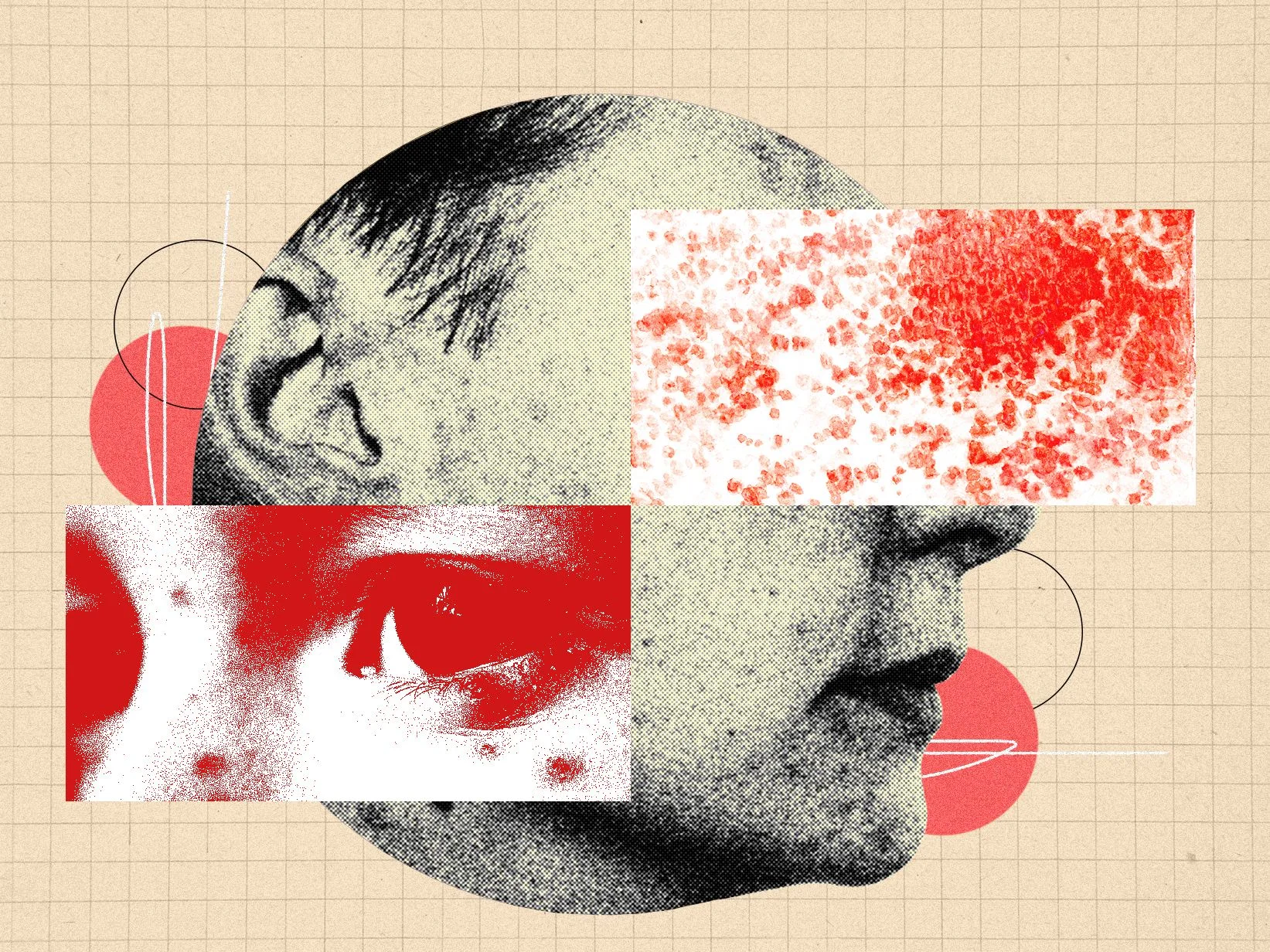
Ann Garner dismissed shingles as a minor ailment—until 2024, when the disease struck her directly. Had she known that Norwegians call it helvetesild (hell's fire) or that its Arabic name translates to "belt of fire," she might have taken the threat more seriously.
Shingles, medically known as herpes zoster, is a viral infection that produces an excruciating rash and frequently leads to post-herpetic neuralgia—chronic nerve pain that can persist for years. The English name comes from the Latin word for "girdle," reflecting how the rash typically wraps around the torso, though it can also attack the face and eyes, as Garner learned firsthand.
One in three people will develop shingles during their lifetime, with risk climbing steeply after age 50 and for anyone with compromised immunity. The culprit is varicella zoster, the same virus that causes chickenpox during initial infection. After that first encounter, the virus retreats into the nervous system, where it can hide dormant for decades before reactivating—typically when immunity weakens due to aging, immunosuppressive medications, or severe stress.
For Garner, a 73-year-old retired pharmacy administrator from Wales, stress was almost certainly the trigger. She'd been grappling with crushing financial pressure from a substantial tax bill when, one July afternoon, an odd tingling sensation crept along her hairline above her forehead.
Within hours, the tingling had morphed into searing pain that began spreading down her face toward one eye. "It felt like hundreds of invisible, scorching needles stabbing my scalp and face," she says.
Her doctors prescribed acyclovir, an antiviral that can reduce symptoms if administered within 72 hours of symptom onset, along with acyclovir eye cream to protect her vision—shingles can cause permanent eye damage and blindness when it affects ocular tissue.
Despite treatment, Garner's face and eyelid erupted in an angry red rash studded with blisters. "I was helpless against this sensation of being tortured by burning needles," she recalls. "It felt like my nerves were exposed electrical wires, fizzing and sparking uncontrollably."
Though shingles affects millions annually, public awareness of its severity has lagged behind medical understanding. A 2025 study from University of Bristol researchers identified gaps in public health communication and patient education. "Limited literature about the experience and understanding of shingles suggests that people tend to think of it as minor until they experience it themselves," the researchers found.
The long-term consequences of shingles remain underappreciated by the general public, according to Martin Sollie, a consultant plastic surgeon at Oslo University Hospital in Norway who studies surgical approaches to chronic pain management, including potential fat grafting treatments for PHN. His 2022 systematic review examined the disease's impact on patient wellbeing.
The meta-analysis of five studies encompassing 2,519 patients across the US, Europe, and China revealed that acute shingles patients scored 15 percent below normal on physical health measures and 13 percent below on mental health assessments. "We were quite surprised that it did affect quality of life so much," Sollie says. "We know that if you have chronic pain, your quality of life is affected, but it's very uncommon for a disease that is temporary—and not deadly—to have such an effect."
Garner characterizes her shingles pain as "perpetual"—surpassing even a previous back fracture in intensity because "there was no respite at all." "I took sleeping pills so I could get to sleep, and I begged God to help me," she recalls. Standard pain relievers proved ineffective; the nerve suppressant pregabalin provided only modest relief until her symptoms gradually subsided after six weeks.
Garner avoided the most dangerous complications—ocular or central nervous system involvement that can lead to encephalitis, a potentially life-threatening brain inflammation. She was also unaware that shingles patients face significantly elevated stroke risk for up to a year following infection.
A visible red mark persisted across her face for a year ("like I'd been branded with a hot poker"). PHN continues to affect her. "My forehead and eyelid still feel abnormal. The skin is very oversensitive, and it tingles; it feels raw to the touch."
Marian Nicholson, director of the UK's Shingles Support Society, notes that while antiviral medications can effectively reduce shingles severity and prevent PHN when administered promptly, she has encountered cases where unrelenting pain drove patients to suicide. "The older you are, the more grueling it is," she says. "PHN can leave patients in unendurable misery in the final years of their lives." Elderly patients with cognitive decline or dementia face particular challenges in coping with persistent pain.
Nicholson also points to pseudohernia, a less common but debilitating complication where nerve damage causes loss of muscle control, resulting in tissue sagging or bulging that resembles a hernia.
Given the limited therapeutic options for treating active shingles or PHN, vaccination represents the most effective preventive strategy, Nicholson emphasizes. US guidelines recommend the shingles vaccine for all adults 50 and older, as well as immunocompromised individuals 19 and above. The UK offers routine vaccination at age 65 or between 70 and 79, plus immunocompromised adults over 18.
Vaccination rates remain disappointingly low. In the US, approximately 34 percent of eligible adults had received at least one vaccine dose by 2022. UK coverage ranged from 33 percent to 45 percent in late 2024, with older age groups showing higher uptake.
Garner, who contracted chickenpox in childhood, was 70 when shingles struck. She has no recollection of her doctor discussing the vaccine, nor did she pursue it independently. "I completely dismissed it because shingles didn't seem to me like a serious illness. I thought it was [just] a mild rash." Her perspective has changed dramatically. "I would have done anything to avoid going through this," she says.
Sollie argues that both individuals and policymakers must recognize shingles prevention as a public health priority. "Everyone thinks, 'It's a month of pain, I'll manage,' but if it turns into a lifetime of chronic pain, that's something different."