Cloud

Cloud platforms, services, and infrastructure

Typosquatting Attack Exploits Cloud Credentials Through SMTP Vulnerabilities

Typosquatting Attack Exploits Cloud Credentials Through SMTP Vulnerabilities

China-aligned threat actors are actively targeting multi-cloud environments with a Linux ELF backdoor engineered specifically to harvest cloud credentials at scale. The malware has been observed exfiltrating authentication data from workloads running across AWS, GCP, Azure, and Alibaba Cloud platforms, per findings from Breakglass Intelligence. The cross-platform targeting scope signals a deliberate strategy to compromise cloud-native infrastructure regardless of provider, making this a critical concern for security teams managing hybrid or multi-cloud deployments.

Apr 14, 2026 5 min
Migrate to Google Cloud's Application Load Balancer: Your Step-by-Step Practical Guide

Migrate to Google Cloud's Application Load Balancer: Your Step-by-Step Practical Guide

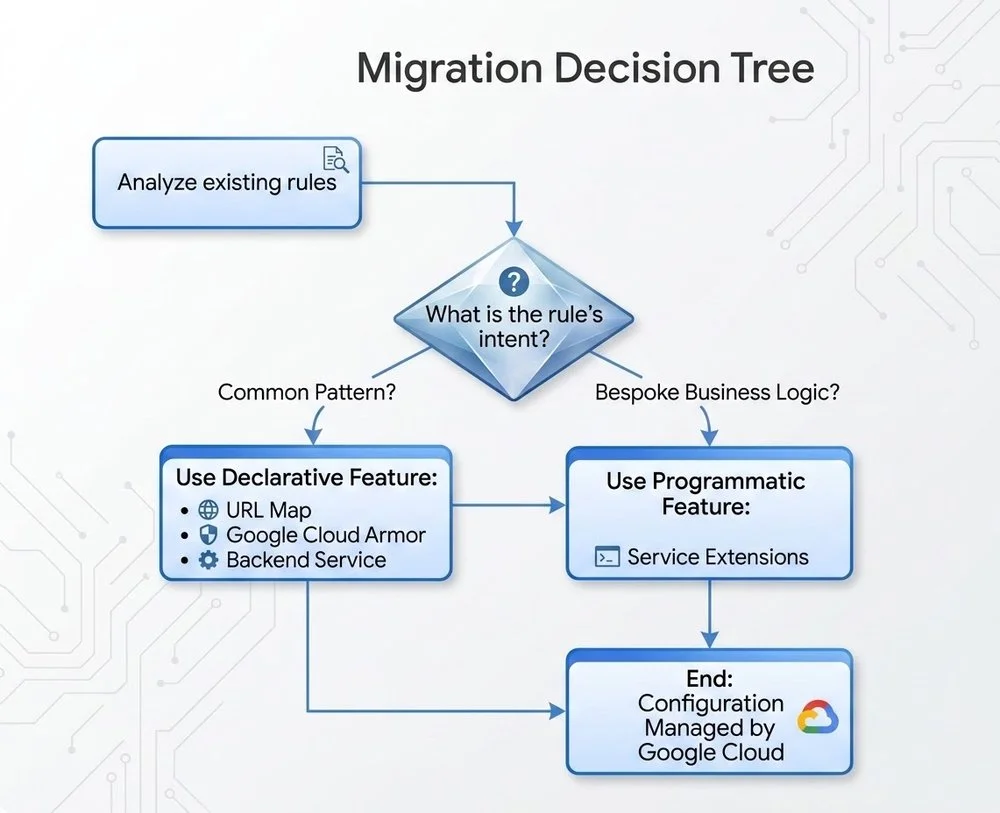
Transitioning application load balancer infrastructure from on-premises hardware to Cloud Load Balancing unlocks meaningful gains in scalability, cost efficiency, and native cloud integration. Unlike static hardware deployments, cloud-native load balancing dynamically distributes traffic across backend services, automatically scaling capacity to match demand without manual intervention. Organizations eliminate the capital expenditure and maintenance overhead tied to physical appliances, shifting to a consumption-based model that aligns costs directly with usage. Deep integration with cloud-native services—including managed health checks, SSL termination, and global anycast networking—reduces operational complexity while improving availability. Teams gain centralized visibility through unified logging and monitoring, accelerating troubleshooting and performance optimization across distributed architectures.

Apr 10, 2026 5 min