BYD's Fastest-Charging EV Delivers a Nine-Minute Full Charge—But at a Baffling Price

Forget top speed. The Denza Z9 GT claims a different kind of velocity record: It's the fastest-charging production car on the planet. While it's no slouch in acceleration either, and bristles with cutting-edge technology throughout, the real headline is BYD's charging breakthrough.
Unlike the optimistic charging claims that pepper most EV spec sheets, the Z9 GT's numbers are genuine. I witnessed it firsthand: sitting in the driver's seat, I watched the battery climb from 10 percent to full capacity in just over nine minutes. Every other electric vehicle suddenly looks glacial by comparison. This is the kind of charging speed that demolishes the last refuge of EV skeptics—the ones who've always insisted you simply can't refuel an electric car as quickly as a gas-powered one.
Denza represents BYD's upmarket push, positioning itself to challenge Porsche and Polestar. The Z9 GT serves as its European debut, designed to unsettle Western competitors with a potent combination: serious performance credentials, standard features like crab-walking and four-wheel steering, and an electrical architecture that leaves rivals in the dust.
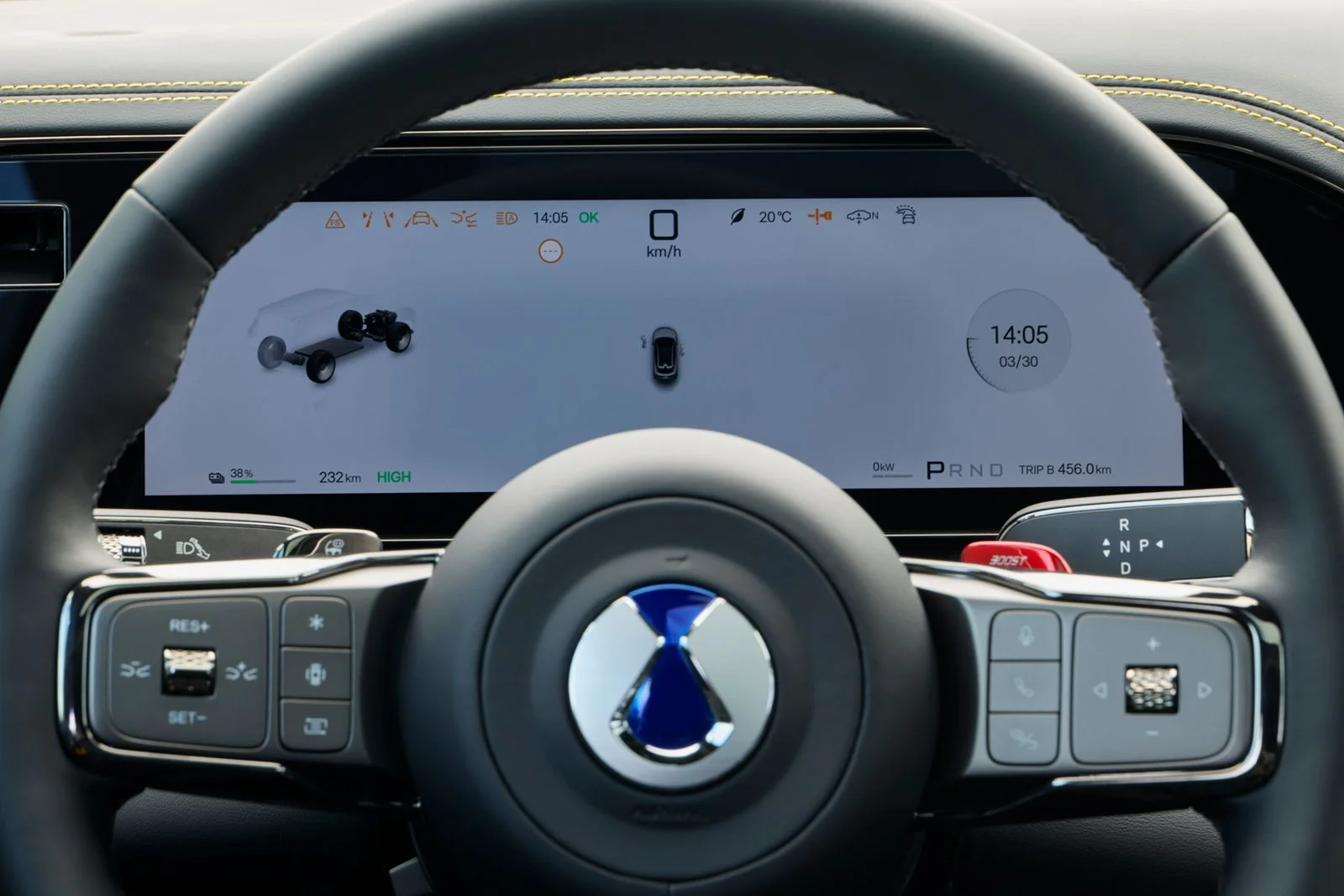
The Z9 GT delivers on all these technical promises. But in a misguided rush to establish premium credentials alongside established German luxury brands, BYD has abandoned the strategy that made it formidable: delivering superior value at aggressive prices. Instead of offering more for less, Denza is now offering more for significantly more.
BYD built its reputation on undercutting competitors while over-delivering on features. The Z9 GT flips that script entirely. European buyers will face a €115,000 price tag—approximately $134,000. This represents a dramatic departure from BYD's core brand identity. The pricing disconnect becomes even more glaring when you consider the same vehicle sells for roughly £55,000 in Australia and around £45,000 in China.
What justifies BYD's dramatic price increase for European markets? Tariffs, shipping costs, homologation, dealer networks, and a Daniel Craig-fronted ad campaign explain part of it. When pressed, BYD offered one additional reason: "market contextualization." Translation: they believe European buyers will pay premium prices.
Premium positioning isn't achieved through pricing alone. Charging Porsche money doesn't make buyers perceive you as Porsche's equal. BYD appears to be attempting a shortcut into the luxury segment without the brand equity that typically takes years to establish. Six-figure buyers tend toward familiar names, and the current EV depreciation crisis complicates matters further—Porsche Taycans can shed half their value in twelve months.
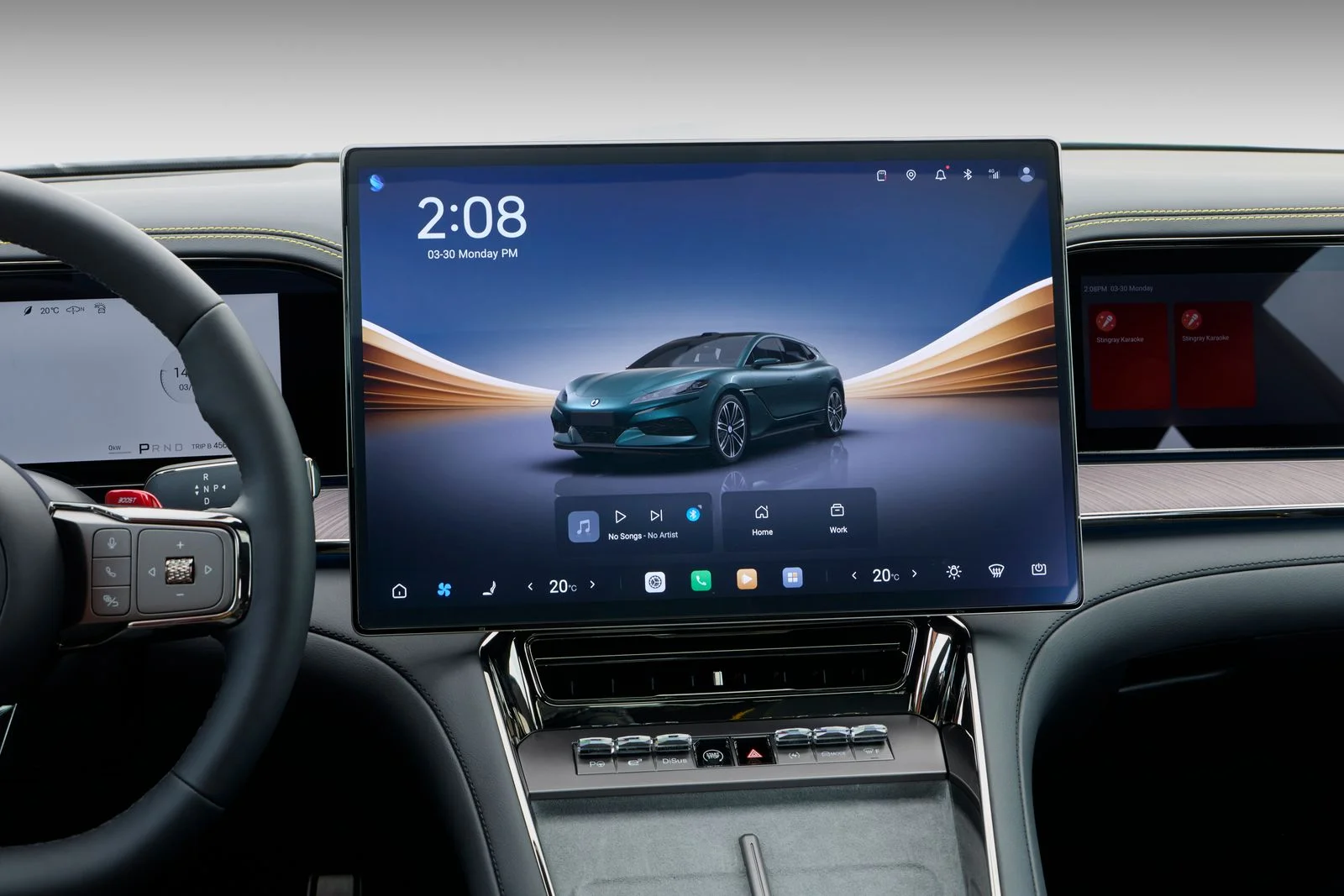
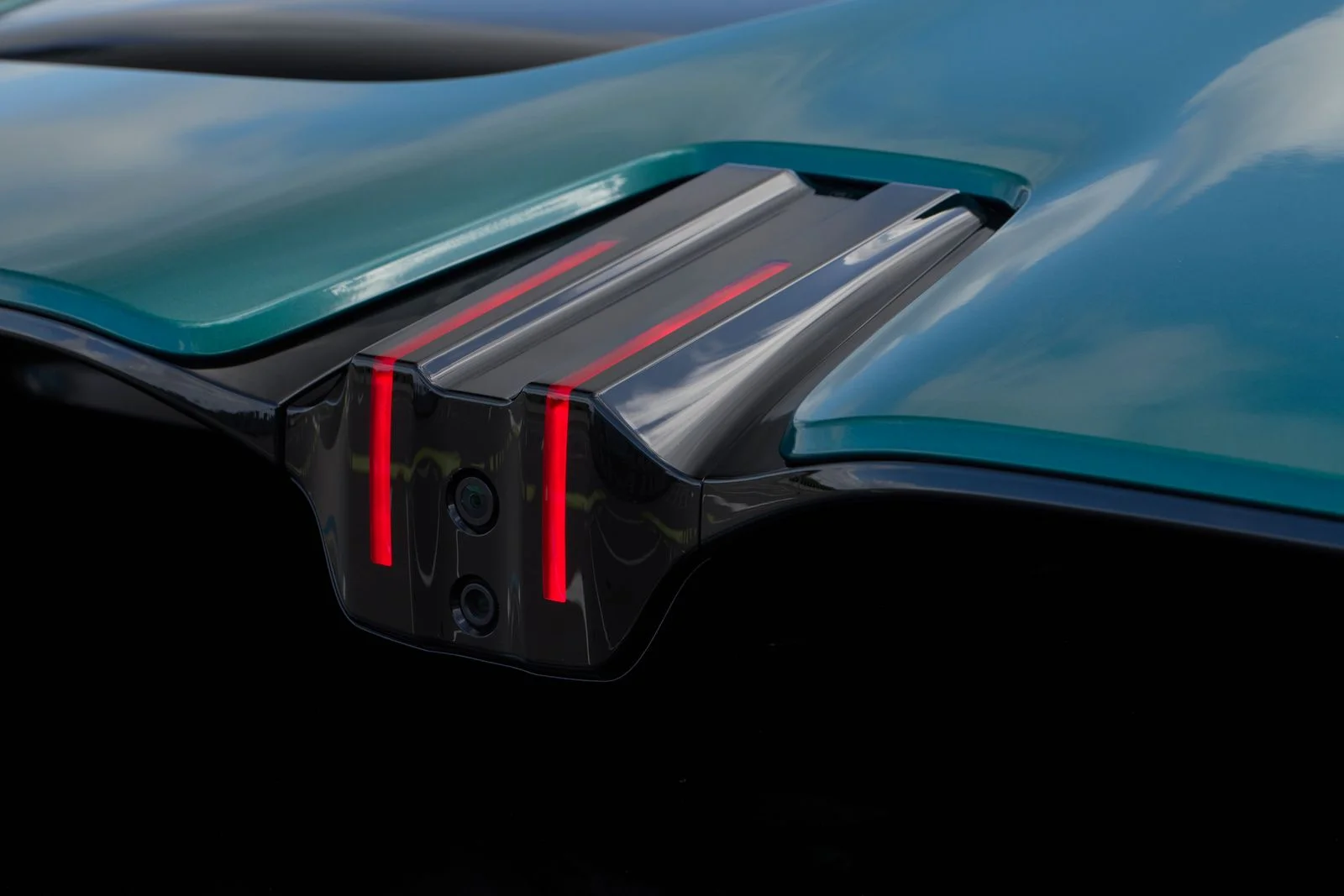
Stella Li, BYD's executive vice president, believes the Z9 GT's "wow factor" will insulate it from Porsche-level depreciation. The specs are undeniably impressive: a 309 bhp front motor paired with dual 416 bhp rear motors delivers 1,140 bhp total. Zero to 62 mph takes 2.7 seconds, with a 168 mph top speed. Independent rear wheels enable crab-walking, spot U-turns, and automated parallel parking. The 372-mile range is adequate rather than exceptional, and the L2+ autonomous driving—complete with roof-mounted Lidar—offers modest future-proofing.
The genuine innovation lies in BYD's Flash charging technology. Fast charging's primary obstacle is heat generation from internal battery resistance. When electricity flows rapidly, batteries resist and heat up, potentially damaging cells and forcing chargers to throttle back. BYD's Blade Battery 2.0 features redesigned internal architecture—including cathodes with multi-sized particle structures that pack together efficiently, allowing ions to move faster—cutting internal resistance and heat generation by half.
Enhanced thermal management and self-repairing technology maintain battery integrity through repeated charge cycles. Remarkably, BYD achieves this using lithium-iron-phosphate (LFP) chemistry, avoiding expensive metals like cobalt and nickel.
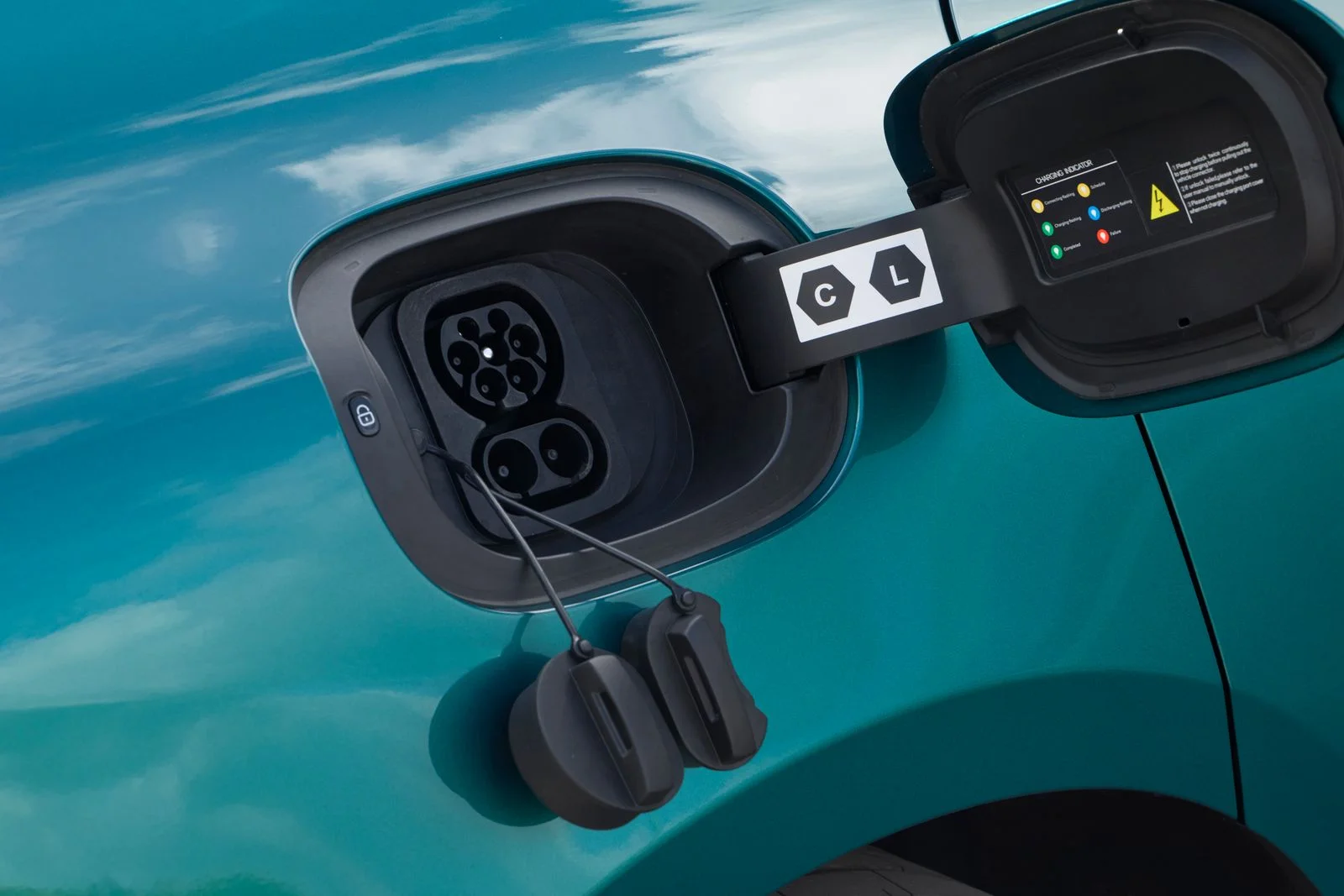
BYD's forthcoming Flash chargers will deliver 1.5 megawatts to the Blade 2.0 without overheating or degradation. That's 1,500 kilowatts—nearly five times Tesla's 325 kW Superchargers. This fundamentally rewrites charging expectations.
Competing directly with Tesla's Supercharger network, BYD is deploying 6,000 new charging locations globally outside China, including 600 UK sites initially. Once operational, charging from 10 to 70 percent will take five minutes instead of thirty, with full charges completed in nine minutes.
Diego Pareschi, BYD's global director of EV charging, reveals these figures represent roughly two-thirds of the Flash system's capability in the EU, with potential for 30 percent more output. If realized, charging times would match conventional refueling—and this precedes solid-state battery technology.
The Z9 GT is the first vehicle outside China equipped with BYD's new battery and Flash charging capability. While initially exclusive to Denza, BYD's broader lineup will soon adopt Blade 2 batteries and compatible architecture. The Flash network will also accommodate other manufacturers, though they'll be limited by their own vehicle architectures.
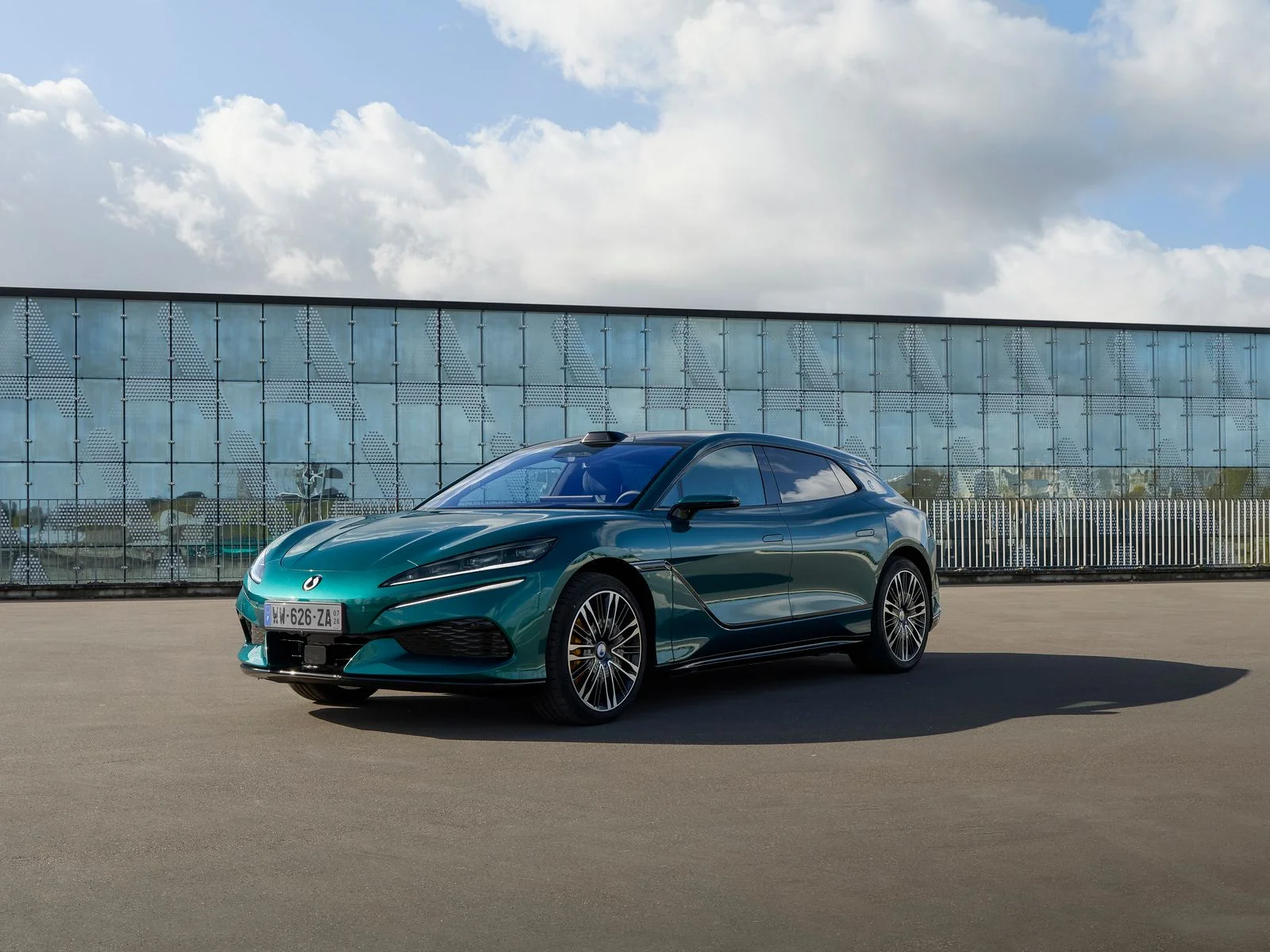
Beyond the charging breakthrough, the Z9 GT struggles to justify its premium positioning. The exterior design lacks coherence—the rear view improves on a generic front end, but neither could be called striking. Inside, BYD emphasizes luxury details: massaging seats for all passengers, and a superb 1,100-watt, 20-speaker system from French audiophile brand Devialet.
The driving experience inspires confidence but feels slightly soft. Heavy steering likely stems from the all-wheel setup. At 2.9 tons, the Z9 GT's weight is palpable—unlike the BMW iX3, which masks its heft effectively. Efficiency approached the claimed 3 miles per kWh during testing. The acceleration from standstill is genuinely shocking, but the focus on headline figures may have compromised the overall driving dynamics compared to genuine Porsche rivals.
Which returns us to the pricing dilemma. At $134,000, does the Z9 GT—with its crab-walking, automated parking, and revolutionary charging—represent good value? It doesn't feel like a six-figure car. It feels like what BYD charges for it elsewhere: significantly less. Denza will likely earn its place in Europe's premium segment, but probably not with this first attempt.