In his Power On newsletter published over the weekend, Bloomberg's Mark Gurman offered a pointed assessment of Apple's March product slate, characterizing the majority of its announcements as "incremental as ever" — a critique that cuts to the heart of an ongoing tension between Apple's marketing ambitions and its hardware roadmap.
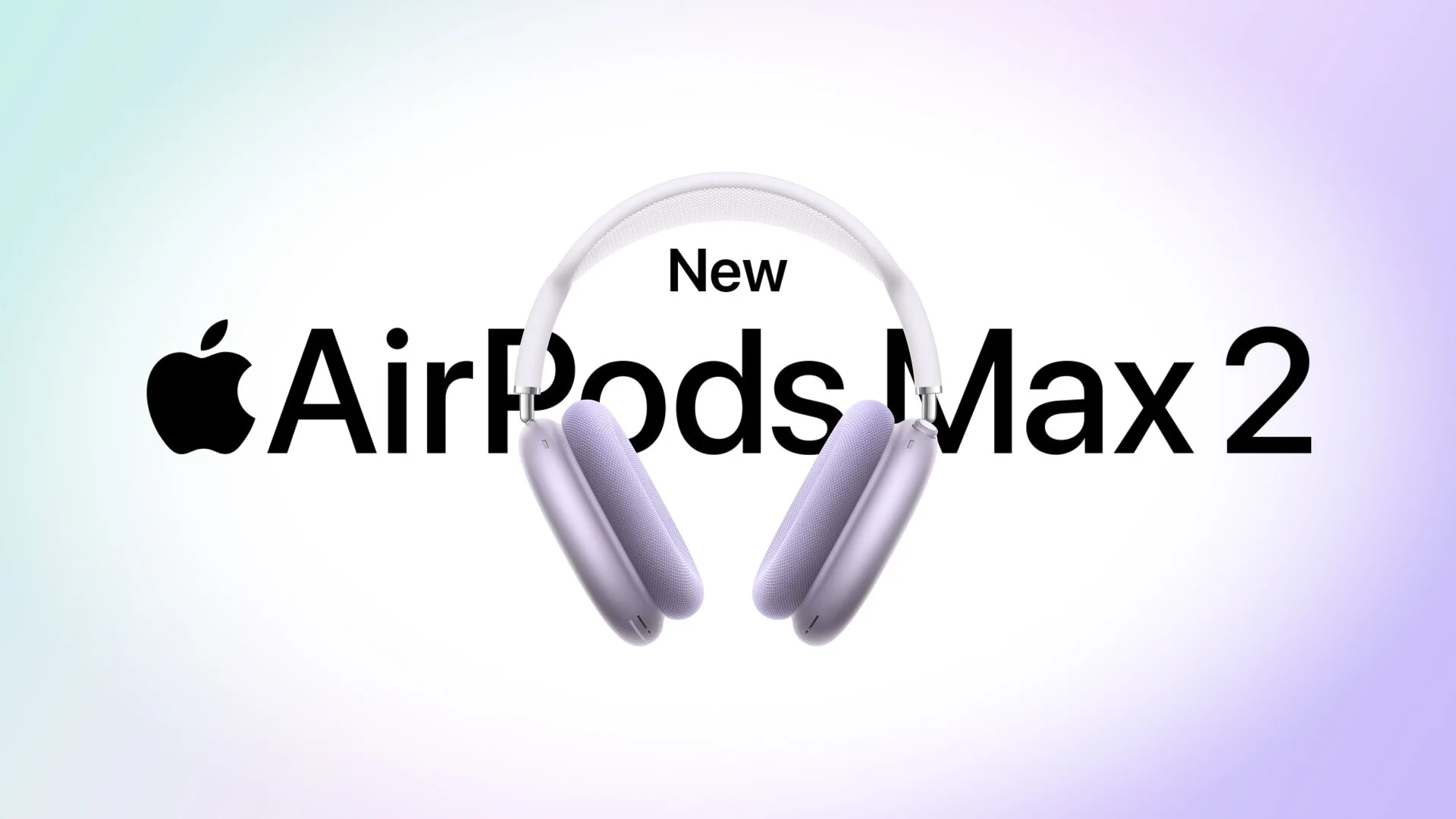
Central to Gurman's argument is the naming of Apple's latest over-ear headphones. He contends that calling the new model the "AirPods Max 2" is a "massive stretch" — a label he views as disproportionate to the actual scope of changes delivered. His core objection is not the update itself, but what the versioning implies to consumers.
To be fair, the AirPods Max 2 does arrive with a meaningful bundle of feature upgrades: enhanced active noise cancellation, improved audio fidelity, Adaptive Audio, Personalized Volume, Conversation Awareness, Voice Isolation, and Live Translation. However, the critical caveat is that many of these capabilities are direct byproducts of the headphones finally adopting the H2 chip — a processor Apple introduced back in 2022. In other words, the feature gains are real, but the underlying driver is architectural catch-up rather than genuine generational innovation.
"The real issue is putting a '2' in the name," Gurman argued. "It means that Apple is treating a maintenance update as if it were a new generation. Historically, this branding would signal meaningful hardware changes." In the case of the AirPods Max 2, he maintains, the designation "implies a leap forward that isn't present" — a distinction that matters in an industry where versioning carries implicit consumer expectations about design, capability, and value.
Those expectations remain conspicuously unmet on the industrial design front. The AirPods Max 2 retains the same physical form factor as its predecessor, with no notable aesthetic or ergonomic refinements. Even the Smart Case — a carrying accessory that drew considerable criticism at launch for its unconventional, widely derided design — arrives unchanged, suggesting Apple opted for continuity over responsiveness to user feedback.
Gurman extended his critique beyond the headphones, drawing a parallel to an earlier product refresh strategy. "Like the earlier USB-C refresh, this update feels designed to sustain sales rather than push the product forward," he wrote — a characterization that frames the update as commercially motivated maintenance rather than engineering-led advancement.
The AirPods Max 2 does not stand alone in this pattern. While Gurman acknowledged that the MacBook Neo represents a genuinely noteworthy achievement as Apple's most accessibly priced MacBook to date, and that the Studio Display XDR addresses a number of long-standing enthusiast requests, the bulk of this month's announcements followed a familiar formula: faster silicon, minimal changes otherwise. The MacBook Air, MacBook Pro, iPad Air, iPhone 17e, and the standard Studio Display all fall into this category — products refreshed primarily through chipset upgrades rather than rethought experiences.
Gurman was nonetheless measured enough to acknowledge the commercial reality underpinning Apple's approach. Consumers continue to buy Apple products in substantial volumes, a fact underscored by the company posting an all-time revenue record in its most recent quarter. The implication is clear: incremental updates, however uninspiring to product enthusiasts and analysts, remain commercially effective — at least for now.
Still, Gurman closed with a line that distills the frustration many observers share: "Imagine if the recent product updates themselves were as impressive as the advertising." It is a sharp, succinct observation about the widening gap between Apple's aspirational brand narrative and the measured reality of its current hardware cadence.
This article, "Gurman: Many of Apple's Latest Products Are 'As Incremental as Ever'" first appeared on MacRumors.com
Discuss this article in our forums