Apple is quietly engineering what industry insiders are already calling a transformative moment for its flagship product line. According to Bloomberg's Mark Gurman, the Cupertino company is preparing nothing less than "the biggest set of iPhone revamps in the product's history."
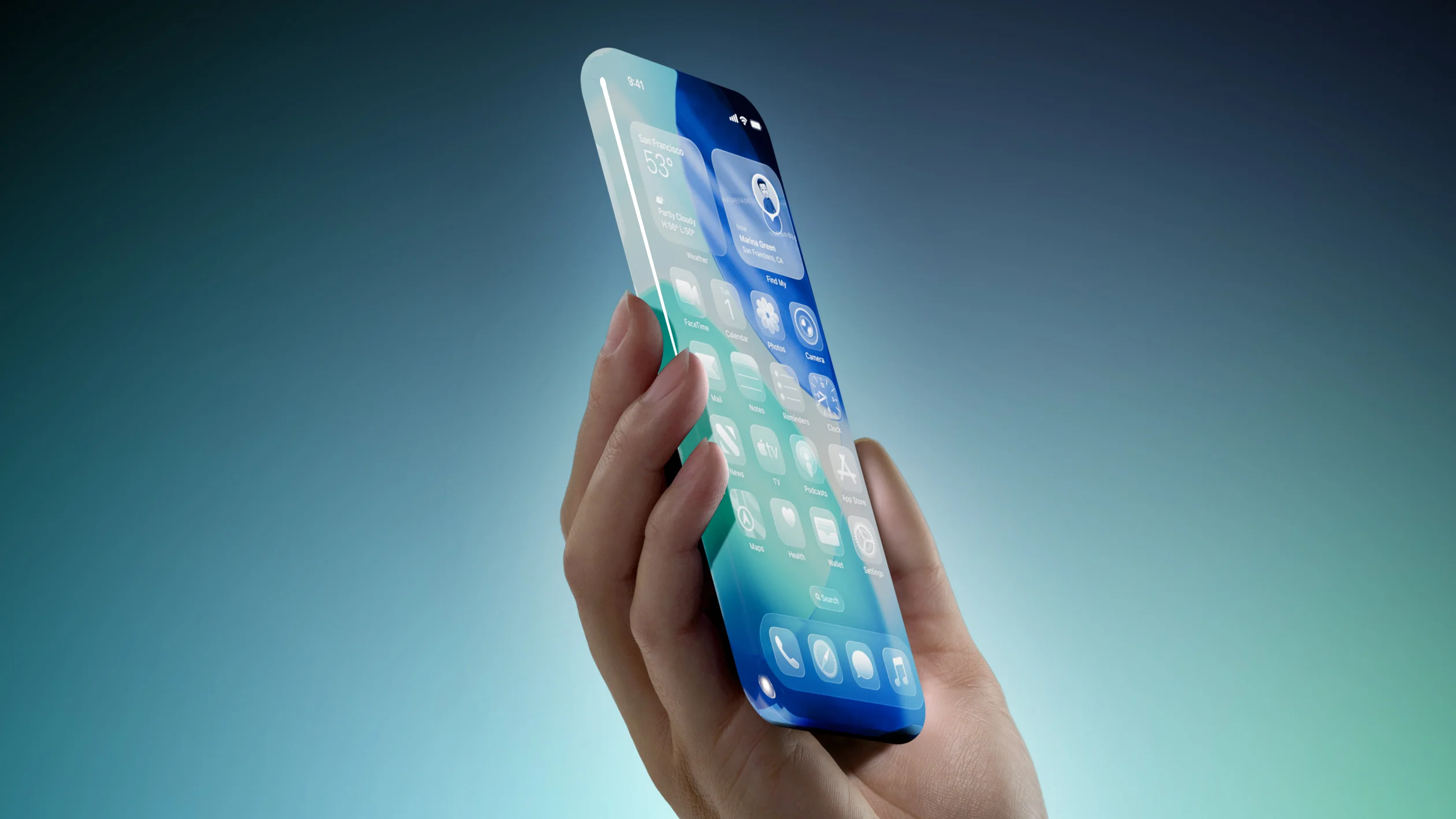
At the center of this ambitious hardware push are two distinct yet equally consequential devices: the long-anticipated foldable iPhone and a landmark 20th-anniversary model featuring a genuinely "edge-to-edge" display architecture — a design language that would represent a fundamental rethinking of the iPhone's physical form.
The details emerged from an extensive profile of John Ternus, Apple's head of hardware engineering and widely regarded frontrunner to succeed Tim Cook as CEO. Gurman reports that Ternus is "overseeing the biggest set of iPhone revamps in the product's history, including a foldable model this year and a version with an edge-to-edge screen that could arrive as early as 2027, for the device's 20th anniversary." That the most consequential hardware decisions in Apple's pipeline are being steered by a potential future CEO speaks to the strategic weight these products carry within the organization.
On the timeline front, the foldable iPhone is expected to make its public debut in September of this year, consistent with Apple's established annual hardware cadence. The 20th-anniversary iPhone, if it comes to fruition, would follow in 2027 — a fitting tribute given that Apple first unveiled the original iPhone in January 2007, making next year the device's two-decade milestone. While the Ternus profile did not delve into deeper technical specifics for either model, the broader rumor landscape has been accumulating substantial detail over the past several months.
The foldable iPhone is expected to adopt a book-style form factor — similar in concept to Samsung's Galaxy Z Fold 7 — unfolding to reveal a large interior display optimized for immersive video consumption, gaming, and robust multitasking workflows. On the software side, iOS 27 is reportedly being engineered with the foldable's expanded real estate in mind, enabling side-by-side application layouts that would bring iPad-style productivity to the iPhone ecosystem for the first time.
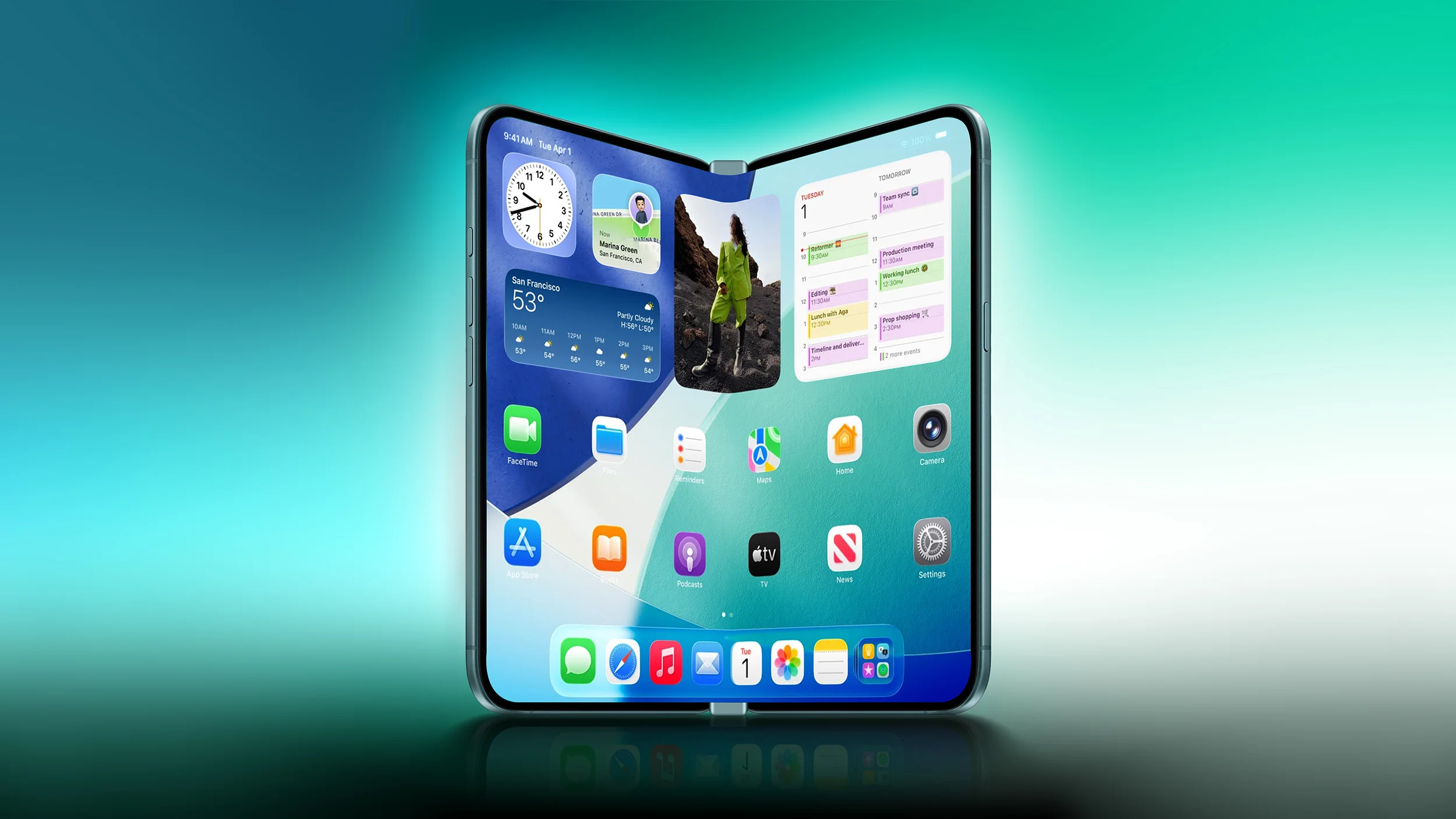
From a hardware specification standpoint, leaked reports suggest the foldable will feature a 7.7-inch inner display paired with a 5.3-inch outer panel — dimensions that position it as a genuinely spacious productivity device when unfolded, while remaining usable as a standard smartphone in its closed state. One of the more closely watched engineering challenges has been the display crease — an inherent byproduct of flexible panel technology that has been a persistent criticism of competing foldables. Apple initially generated buzz with claims of a virtually crease-free inner display, though subsequent reporting has tempered expectations, indicating the company has developed technology that "reduces the crease without eliminating it entirely" — a more pragmatic engineering outcome that still reflects meaningful progress over current industry benchmarks.
Prominent Apple supply chain analyst Ming-Chi Kuo anticipates the foldable will ship with a dual rear camera system, a single front-facing camera, and a Touch ID-equipped power button — notably departing from the Face ID biometric system that has defined Apple's flagship authentication experience since the iPhone X. This hardware choice likely reflects the geometric constraints of designing a viable biometric solution within a folding chassis.
If the foldable represents an evolution in iPhone form factor, the 20th-anniversary model appears to be pursuing something far more radical. Previous reporting suggests the device will pursue a seamless, uninterrupted design — a curved glass enclosure with no display cutouts whatsoever. Achieving this would require relocating the front-facing camera beneath the display itself, a technology that has seen mixed results in the broader Android ecosystem but remains an engineering benchmark the industry has yet to fully solve at Apple's quality standards.
Whether Apple can deliver on both of these visions within such a compressed timeframe remains an open question. Hardware development at this level of complexity rarely follows a straight path. But if it does, the next two years could represent the most consequential chapter in iPhone hardware history since the original device redefined the smartphone category altogether.
This article, "Apple Reportedly Preparing 'Biggest Set of iPhone Revamps' Ever" first appeared on MacRumors.com
Discuss this article in our forums