Apple has sharply raised the prices of external storage drives available through its online storefront and brick-and-mortar retail locations, according to Bloomberg's Mark Gurman.
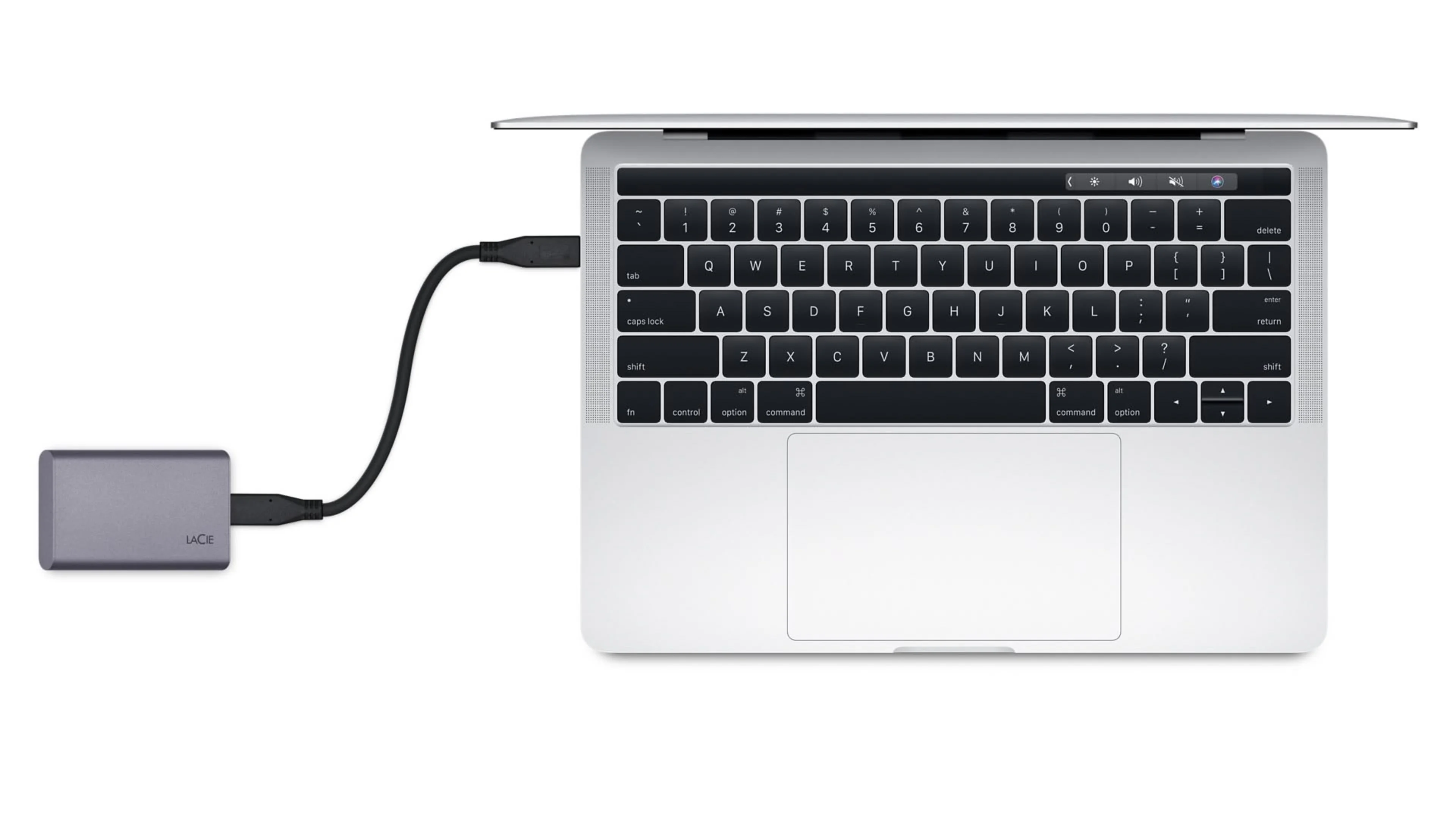
Reporting in his latest Power On newsletter, Gurman revealed that pricing across several external drive listings has been revised upward — and in some cases, dramatically so. Among the most striking examples: a SanDisk 4TB solid-state external drive that previously retailed for approximately $500 now carries a $1,200 price tag, while its 1TB counterpart has surged from $120 to $360 — a threefold increase that will give consumers considerable pause.
The root cause, Gurman explains, is the insatiable appetite for memory and storage chips driven by the ongoing AI infrastructure boom, which is cascading through the supply chain and increasingly squeezing the consumer market. It bears noting that third-party vendors — not Apple itself — control the pricing on external accessories sold through its platforms. Nevertheless, the financial burden falls squarely on the end buyer, regardless of where responsibility lies in the retail chain.
Compounding the sticker shock is a pervasive availability problem. External drives across Apple's online store are largely out of stock, with the majority of listings showing no options for home delivery or in-store pickup. While shoppers visiting physical Apple Store locations may occasionally encounter remaining inventory, those units carry the same elevated price points. The scarcity and inflated pricing are not unique to Apple's ecosystem either — comparable shortages and markups have emerged at major retail destinations including Best Buy and Amazon.
This storage crunch is rooted in the same supply-side pressure that compelled Apple to increase MacBook Air and MacBook Pro pricing by $100 earlier this month, and is likely connected to the quiet discontinuation of the Mac Studio's top-tier 512GB RAM upgrade option. At the heart of the issue: AI data center operators are consuming NAND flash and memory chips at a scale that manufacturers simply cannot ignore, and enterprise contracts — far more lucrative than consumer orders — are being prioritized accordingly. As Gurman cautions, the trajectory of this supply imbalance points toward further deterioration throughout 2026, with the possibility that relief may remain elusive well beyond that.

This article, "Apple Store External Storage Prices Spike Amid AI-Driven Shortage" first appeared on MacRumors.com
Discuss this article in our forums