Apple's highly anticipated foldable iPhone is reportedly set to incorporate a sophisticated dual-layer ultra-thin glass architecture engineered specifically to minimize display crease visibility, according to the latest intelligence emerging from the supply chain.
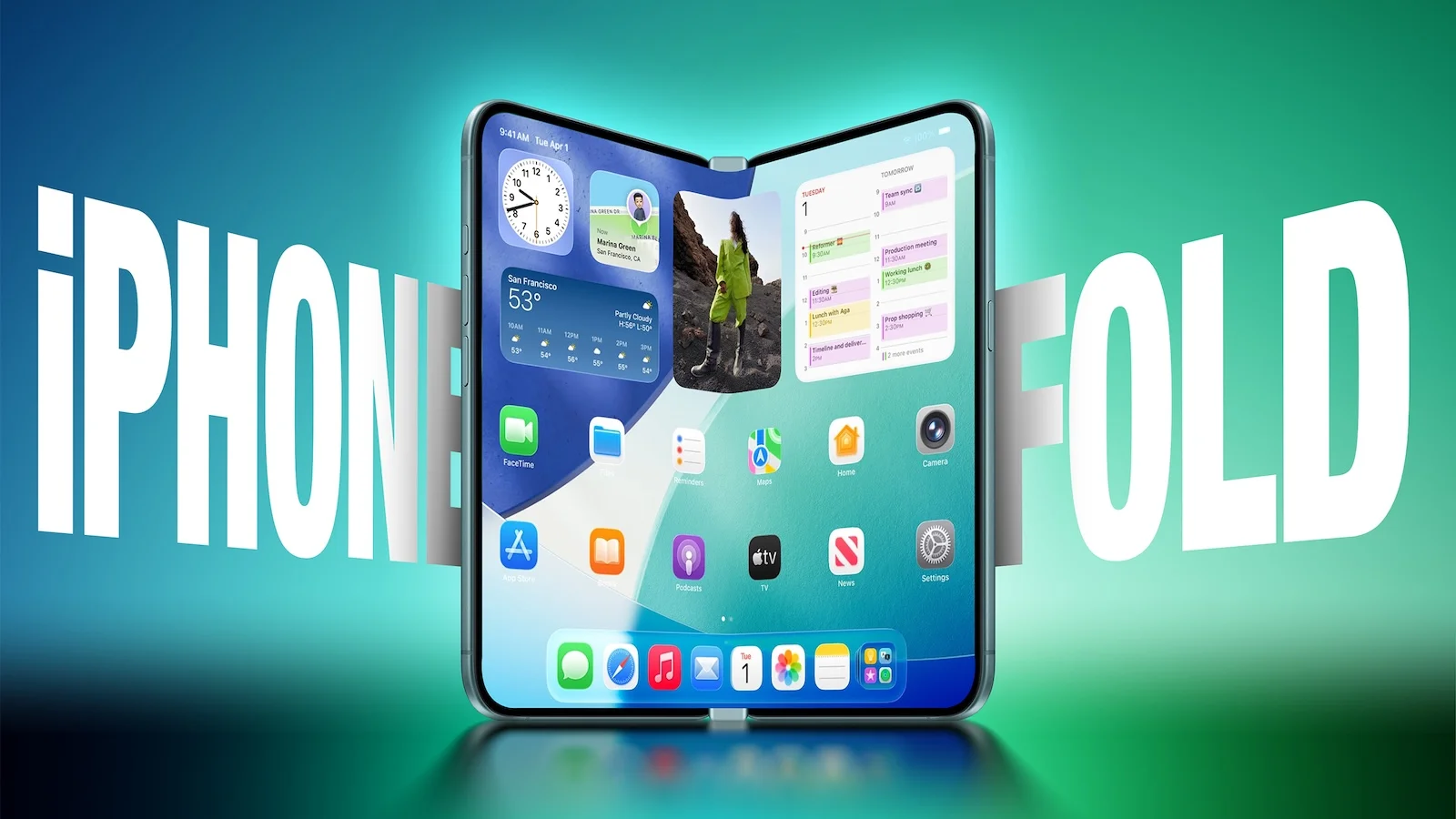
Weibo-based industry leaker Digital Chat Station reports that Apple's inaugural book-style foldable will employ a composite stack of two ultra-thin glass (UTG) or ultra-thin flexible glass (UFG) layers, with the display panel sandwiched between them. This configuration physically isolates the screen from direct mechanical interaction with the hinge assembly. The engineering rationale is straightforward: by distributing bending stress across multiple discrete layers rather than forcing a single sheet to absorb the full load, Apple aims to enhance long-term structural durability while substantially reducing the crease lines that have become an unavoidable hallmark of first-generation foldable displays.
This multi-layer approach represents a meaningful architectural departure from the prevailing design philosophy found in today's foldable devices, which predominantly rely on a solitary UTG layer tasked with simultaneously managing bending forces and shielding the underlying display. By effectively decoupling the display substrate from the hinge mechanism, Apple's strategy could prove instrumental in achieving its widely reported objective of rendering the fold crease nearly imperceptible to the naked eye — though it bears noting that more recent supply chain intelligence has tempered earlier claims of an entirely crease-free outcome.
As previously reported in December, Apple has been actively evaluating next-generation UFG panels featuring variable thickness profiles — engineered to be thinner at the fold point for maximum flexibility while maintaining greater rigidity across the surrounding surface area. The latest supply chain intelligence builds upon this foundation, suggesting Apple has progressed toward a full composite glass stack solution rather than continuing to optimize around a conventional single-panel design. This evolution in approach speaks to the considerable materials science challenges inherent in foldable display engineering.
In terms of market timing, the foldable iPhone is widely expected to debut in September alongside the iPhone 18 Pro lineup, though at least one prominent analyst has suggested the device's commercial availability could slip closer to December.
Current specifications point to an outer display measuring approximately 5.3 to 5.5 inches paired with a more expansive 7.8-inch inner screen when unfolded. The device is also said to incorporate liquid metal hinge components — a premium material choice consistent with Apple's pursuit of a near-seamless fold experience. If realized as described, the foldable iPhone is expected to carry a price tag ranging between $2,000 and $2,500, positioning it as the most premium and expensive iPhone Apple has ever brought to market.
This article, "Foldable iPhone Uses Layered Glass to Reduce Display Crease" first appeared on MacRumors.com
Discuss this article in our forums