Security

Cybersecurity threats, protection strategies, and best practices

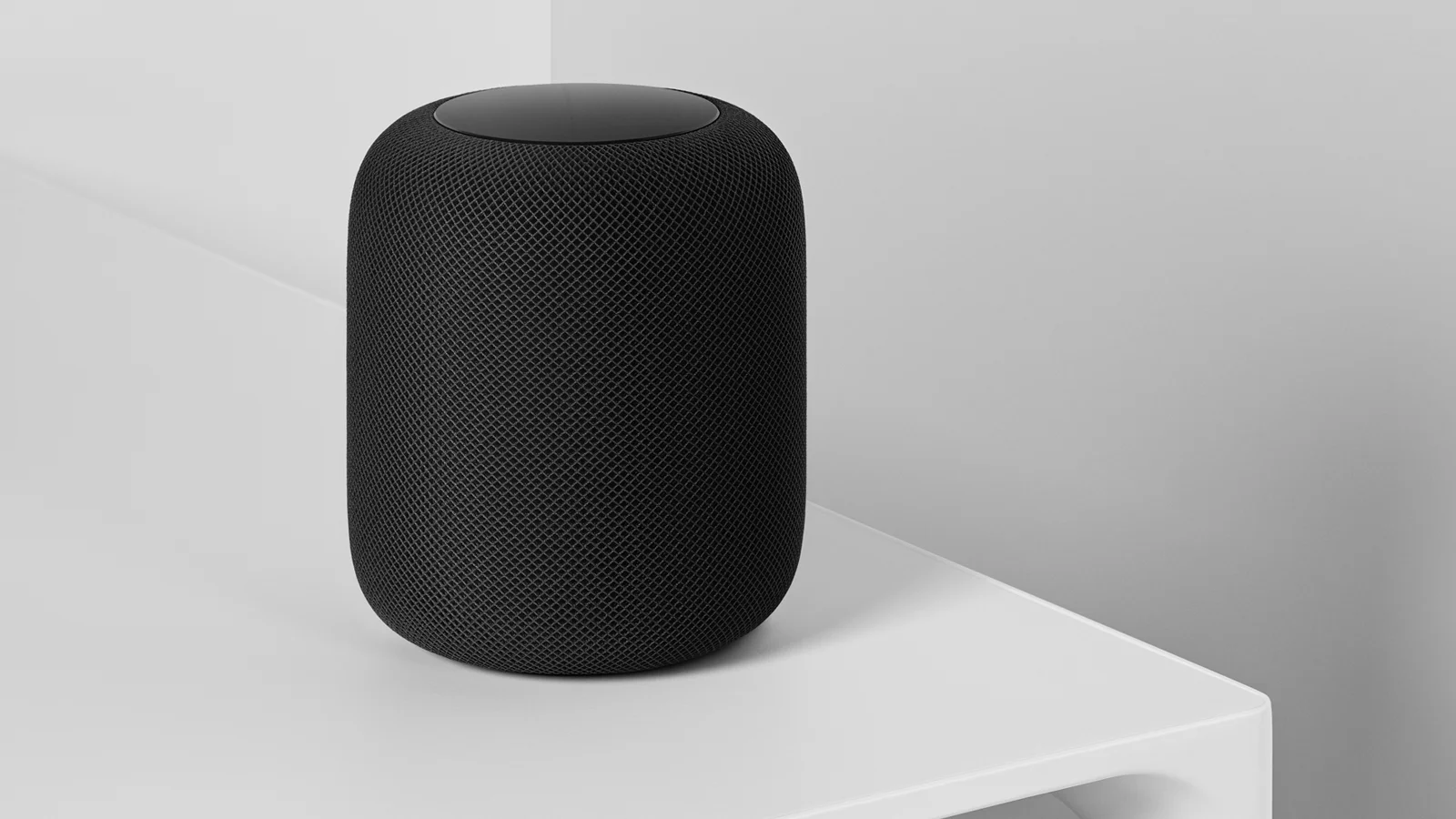
Apple's Smart Home Security Sensor: What We Know So Far

Apple's Smart Home Security Sensor: What We Know So Far

Here's the rewritten summary: Apple is reportedly developing a smart home sensor as part of a broader hardware push under the leadership of John Ternus, according to a Bloomberg profile by Mark Gurman. Ternus is said to be overseeing a trio of new devices, with the smart home sensor among them — signaling Apple's continued expansion into the connected home space.

Mar 23, 2026 5 min
Apple's HomePod Almost Had a Built-In Camera — Here's Why It Didn't Happen

Apple's HomePod Almost Had a Built-In Camera — Here's Why It Didn't Happen

Apple's ambitions for a camera-equipped smart home hub predate its recently announced "HomePad" by several years, according to Bloomberg's Mark Gurman. An in-depth look at Apple's hardware engineering reveals the company explored integrating cameras and advanced sensors into the HomePod long before the concept reached its current form — signaling that the forthcoming device is the culmination of an extended internal development arc rather than a reactive product move.

Mar 23, 2026 5 min
Foldable iPhone's Layered Glass Design Tackles the Biggest Flaw in Foldable Displays

Foldable iPhone's Layered Glass Design Tackles the Biggest Flaw in Foldable Displays

Apple's foldable iPhone is reportedly adopting a dual-layer ultra-thin glass (UTG) construction to minimize the crease that typically marks the fold line on flexible displays — a persistent pain point for the foldable form factor. According to Weibo-based leaker Digital Chat Station, the layered glass architecture is specifically engineered to diffuse and visually suppress fold visibility, addressing one of the most common criticisms of competing foldable devices. The detail emerges from supply chain sources, suggesting the design choice is already influencing component development ahead of the device's anticipated launch.

Mar 23, 2026 5 min
How Water Utilities Are Building Stronger Cybersecurity Through Collaborative Defense

How Water Utilities Are Building Stronger Cybersecurity Through Collaborative Defense

# When Data Flows, Cyber Threats Surface: How Water Utilities Are Rethinking Security Through Information Sharing Water utilities are discovering that open information exchange may be their most effective defense against mounting cybersecurity threats. The sector faces a compounding challenge — aging operational infrastructure, lean IT and cybersecurity teams, and increasingly sophisticated threat actors targeting critical systems. Unlike financial or healthcare sectors with mature security ecosystems, water utilities have historically operated in silos, leaving individual organizations to identify and respond to threats with limited visibility and resources. That isolation is now recognized as a vulnerability in itself. A growing number of utilities are turning to collaborative threat intelligence frameworks, pooling incident data, vulnerability disclosures, and attack indicators across the industry. The model mirrors information-sharing practices proven effective in other critical infrastructure sectors, where collective visibility consistently outperforms isolated defense. The practical impact is significant: smaller utilities — often operating with a single IT generalist rather than a dedicated security team — gain access to threat context they could never generate independently. Early warning signals detected at one utility can be operationalized across dozens of others before an attack scales. Operational technology environments present a distinct challenge. Legacy SCADA and industrial control systems were engineered for reliability and longevity, not security patching cycles, making traditional cybersecurity approaches difficult to apply directly. Shared intelligence helps operators understand which threats are actively exploiting these constraints. The shift represents a broader maturation in how the water sector frames cybersecurity — moving from a compliance checkbox toward a continuous, community-driven defense posture built on transparency and trust between operators.

Mar 20, 2026 5 min
Google Urges Developers to Keep Humans in the Loop When Filing Bug Reports

Google Urges Developers to Keep Humans in the Loop When Filing Bug Reports

Google has reversed course on AI-generated bug reports for its open-source vulnerability discovery program, citing quality concerns — while simultaneously doubling down on AI-driven security by backing a separate initiative focused on using the technology to proactively harden open-source software defenses.

Mar 20, 2026 5 min